The Colosseum: Rome's Great Arena
The largest amphitheatre of the ancient world is still one of the most visited monuments on Earth.
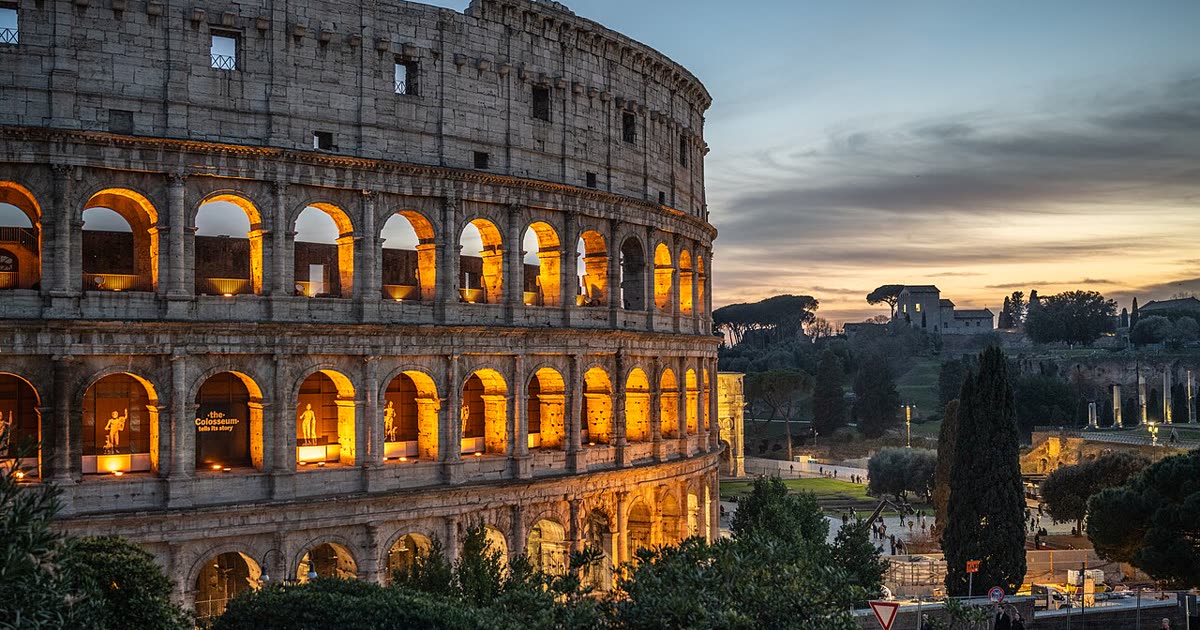
The Colosseum in Rome was begun around AD 70 under Emperor Vespasian and opened in AD 80 under his son Titus. Its official name was the Flavian Amphitheatre, after the family that built it. The nickname "Colosseum" probably comes from a huge statue, the Colossus, that stood nearby.
The oval building could hold roughly 50,000 spectators, who entered through numbered arches and were seated according to social rank. It hosted gladiator fights, animal hunts and other public spectacles, all sponsored by the emperors as a way to win the support of the people.
Beneath the arena floor lay the hypogeum, a network of tunnels and chambers with lifts and trapdoors used to bring performers and animals into the arena.
After the fall of the Western Roman Empire the Colosseum fell out of use. Earthquakes damaged it, and for centuries its stone was taken for other buildings. Today, preserved and studied by archaeologists, it is a symbol of Rome and an example of the engineering skill of Roman builders, who used concrete, vaults and arches on a grand scale.