How the Printing Press Changed the World
Movable type made books cheaper and ideas easier to spread.
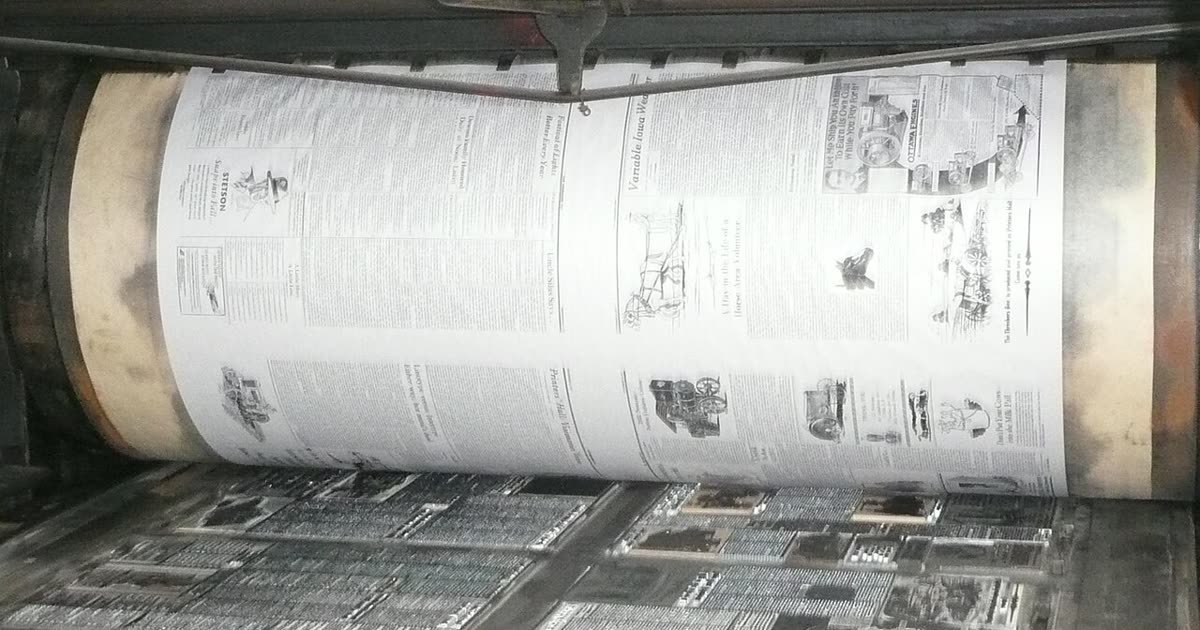
Before printing, books in Europe were copied by hand, which took months and made them very expensive. Around 1440 the German craftsman Johannes Gutenberg developed a printing system in Mainz that combined movable metal type, an oil-based ink and a press adapted from those used for wine and olives.
Printing was not entirely new. Woodblock printing had existed in China for centuries, and movable type made from clay was invented in China around 1040 by Bi Sheng, while Korea used metal movable type in the 1300s. Gutenberg's system, however, suited the European alphabet well and spread quickly. His famous Bible was printed around 1455.
Within a few decades printing presses operated in cities across Europe. Books became cheaper and more common, which helped literacy to grow. Scientists could share discoveries more reliably, scholars could compare texts, and new ideas, including those of the Renaissance and the Reformation, travelled faster than ever before.
The basic idea of mass-producing text is still at the heart of how information is shared, from newspapers to the digital publishing of today.