How Microscopes Opened a New World
From simple lenses to electron beams: the tools that revealed life too small to see.
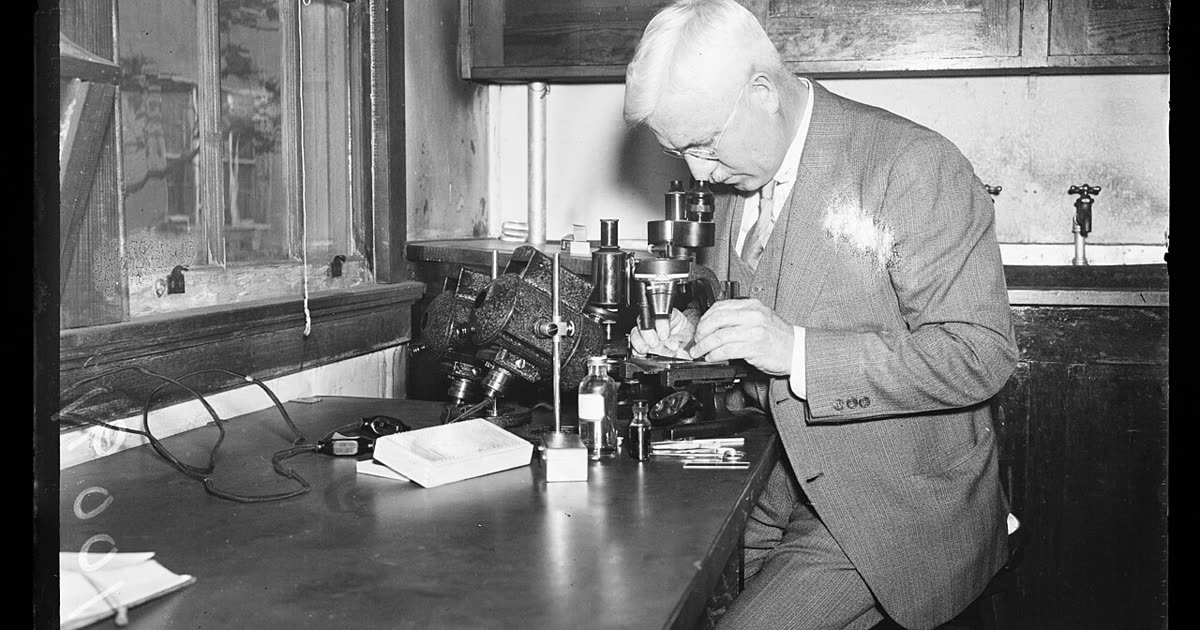
For most of history, people had no idea that living things too small to see even existed. That changed in the 1600s, when lens makers built the first useful microscopes.
In 1665 the English scientist Robert Hooke published Micrographia, with detailed drawings of what he saw, including the small compartments in a slice of cork that he called "cells". A few years later the Dutch tradesman Antonie van Leeuwenhoek, using tiny lenses he ground himself, became the first person to observe bacteria and other single-celled organisms, which he called "animalcules".
Over the following centuries better lenses and staining methods made it possible to study tissues and germs. In the 1800s microscopes played a central role in showing that many diseases are caused by microorganisms, which led to modern medicine and public health.
In the 1930s the electron microscope, which uses beams of electrons instead of light, allowed scientists to see viruses and the fine structure of cells. Today, microscopes remain essential in biology, medicine and materials science.