How Forests Work
Trees, soil, water and sunlight form a living system that supports much of the life on land.
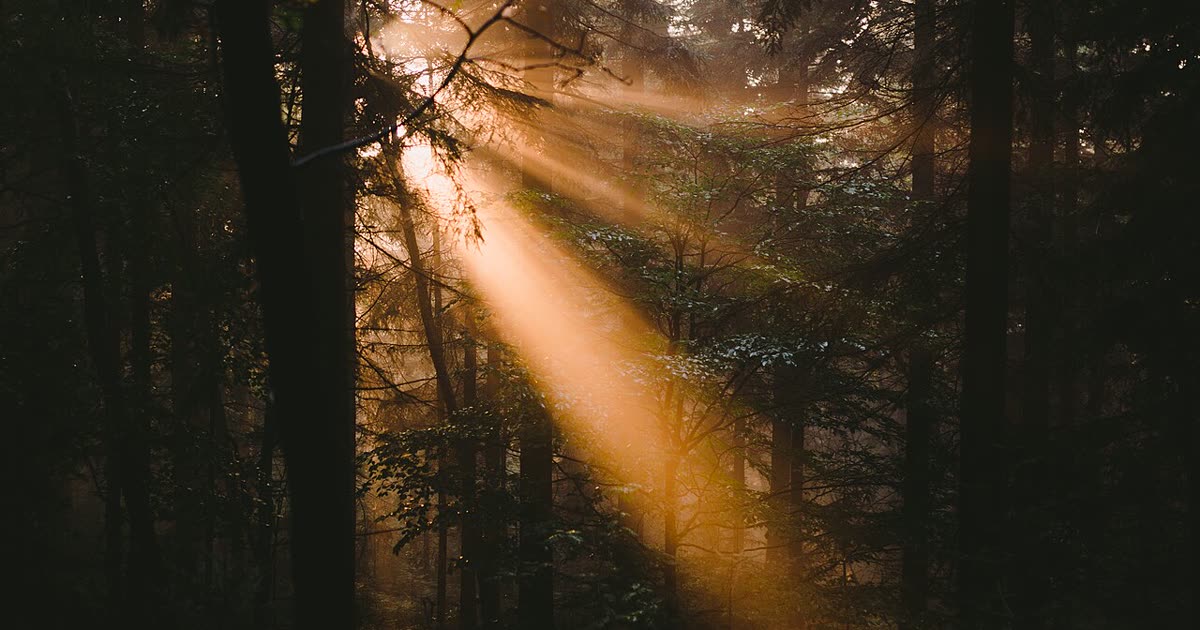
Forests cover roughly 30 percent of the world's land area and are home to most of the planet's land-living plant and animal species. Their basic energy source is sunlight, which trees capture through photosynthesis, turning carbon dioxide and water into sugars and releasing oxygen.
A forest has layers. Tall trees form the canopy, shorter trees and shrubs make up the understory, and ferns, mosses and seedlings grow on the forest floor. Each layer provides different habitats for insects, birds and mammals.
Underground, tree roots work with fungi in networks known as mycorrhizae, which help trees absorb water and nutrients. Fallen leaves and dead wood are broken down by fungi, bacteria and insects, returning nutrients to the soil.
Forests also influence the climate and water cycle. They store large amounts of carbon in wood and soil, release water vapour into the air, reduce erosion and help keep rivers clean. Protecting and restoring forests is therefore an important part of caring for the environment.