Coral Reefs: Rainforests of the Sea
Small animals build huge structures that shelter a large share of ocean life.
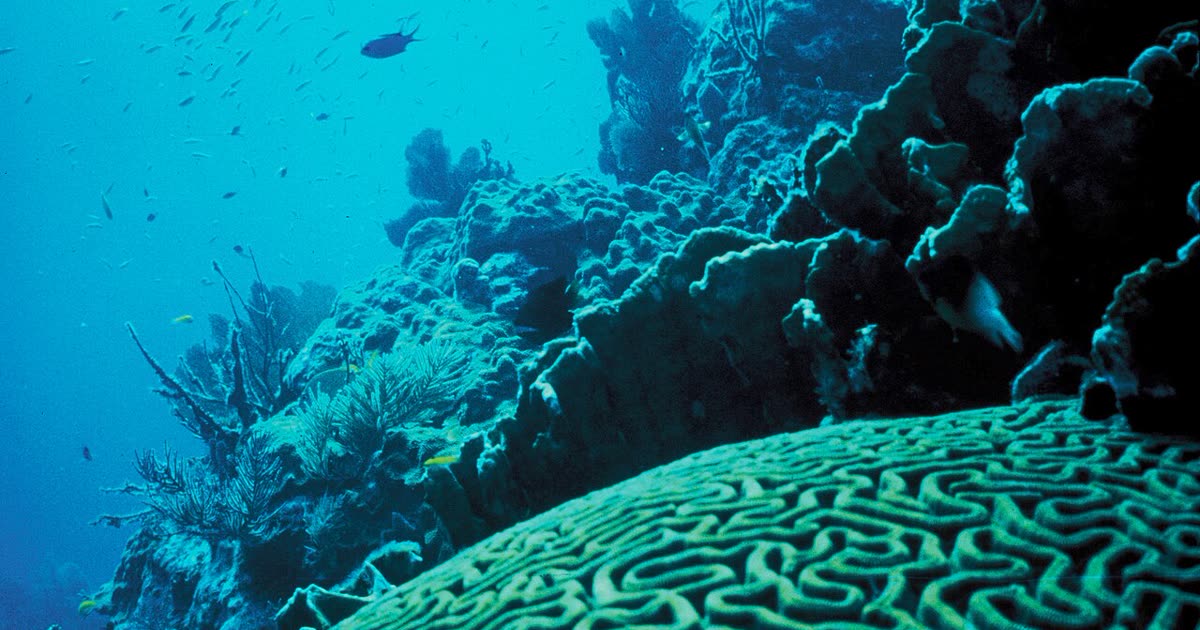
Coral reefs cover only a tiny fraction of the ocean floor, yet they support an enormous variety of life. Estimates often cited by scientists suggest that around a quarter of all marine species depend on reefs at some point in their lives, which is why reefs are called the rainforests of the sea.
A reef is built by coral polyps, tiny soft-bodied animals related to jellyfish. Each polyp makes a hard skeleton of calcium carbonate, and over thousands of years the skeletons of many generations form large reef structures. Most reef-building corals live in partnership with microscopic algae that live inside their tissue, supply them with food through photosynthesis and give corals their colours.
Reefs protect coastlines from waves, provide food and income for millions of people and are important for tourism. Australia's Great Barrier Reef, over 2,000 kilometres long, is the largest reef system in the world.
Corals are sensitive to changes in their environment. When seas become too warm, polyps expel their algae and turn white, a process called bleaching. Pollution, overfishing and ocean acidification add further pressure, so conservation and reducing emissions are important for reef survival.